
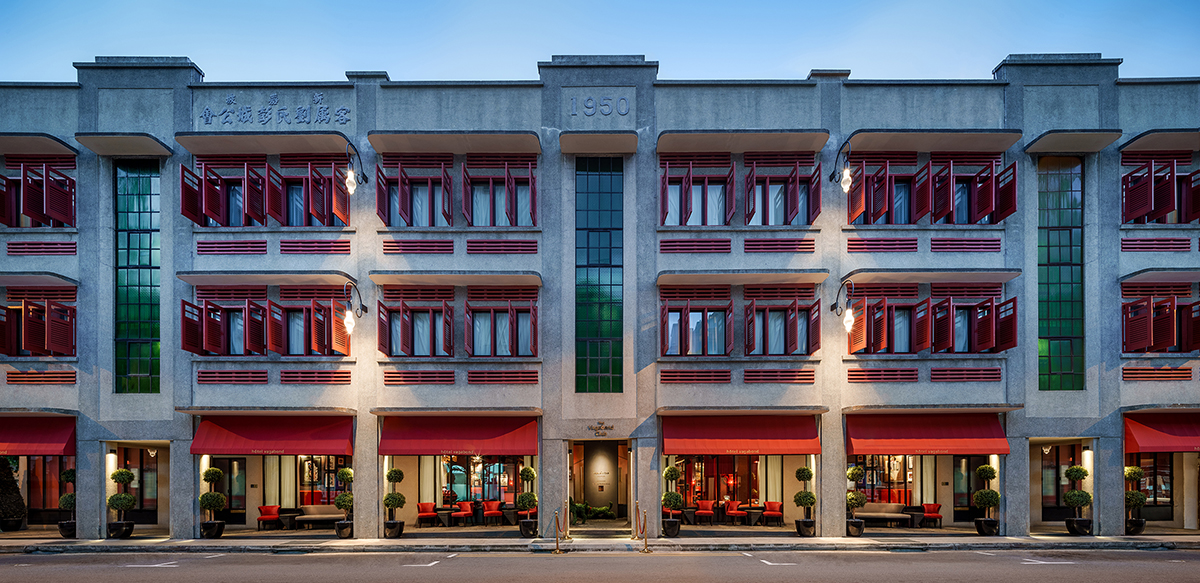
In a city celebrated for precision, order and polished luxury, The Vagabond Club takes a more theatrical path. Behind the doors of its heritage Art Deco building, Jacques Garcia's world of velvet, art, whisky and jazz creates an intimate hotel experience where every corner seems to have a story to tell.
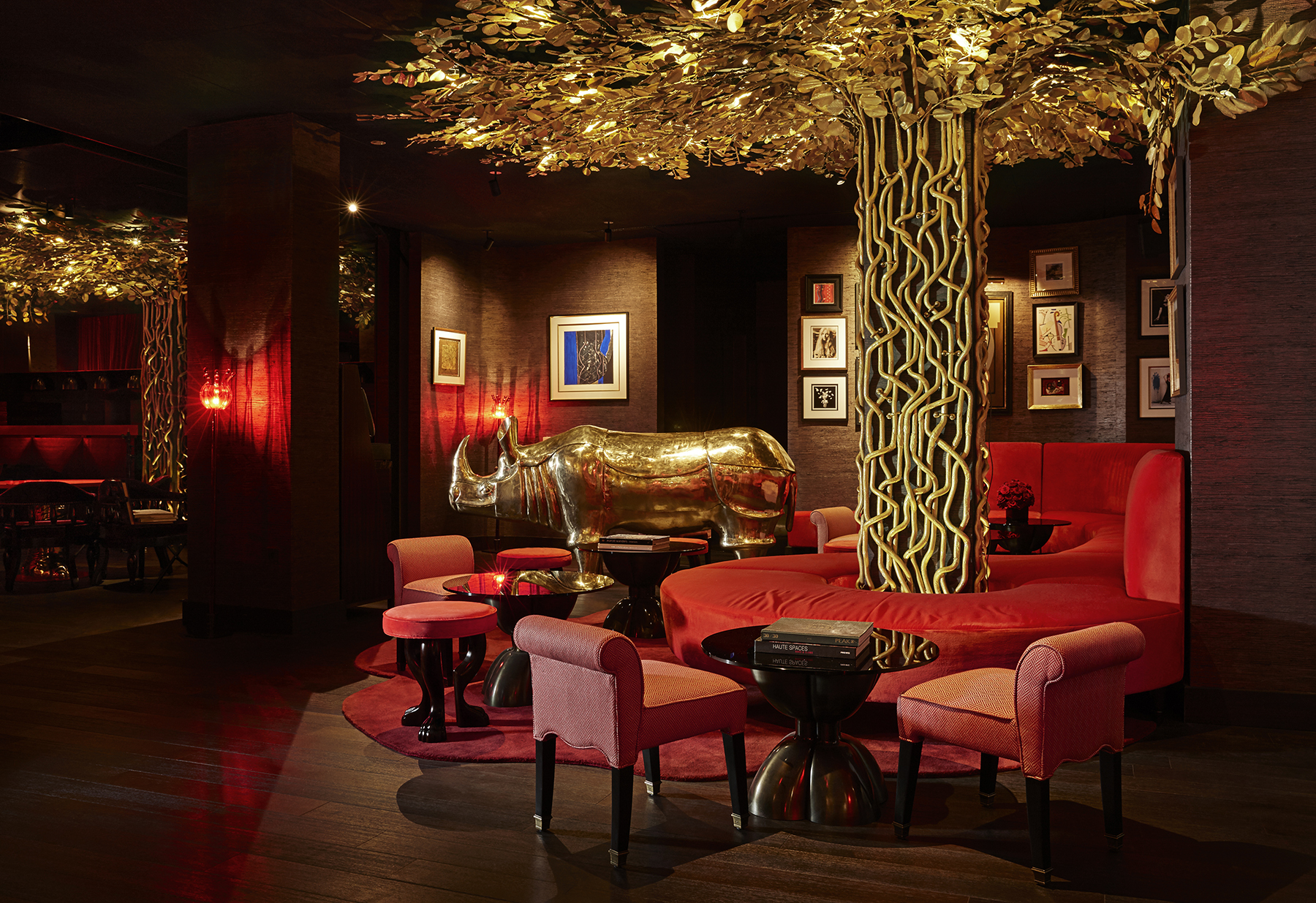
 There is something wonderfully playful about The Vagabond Club. Perhaps it is the name. Perhaps it is the dramatic interiors, the crimson velvet, the curious works of art or the gleaming brass rhinoceros that greets guests. Or perhaps it is the knowledge that, after dark, more than 1,000 bottles of rare whisky sit waiting inside one of Singapore's most atmospheric hotel bars, accompanied by live jazz.
Whatever the reason, The Vagabond Club is not a hotel that disappears quietly into the background. It demands to be noticed.
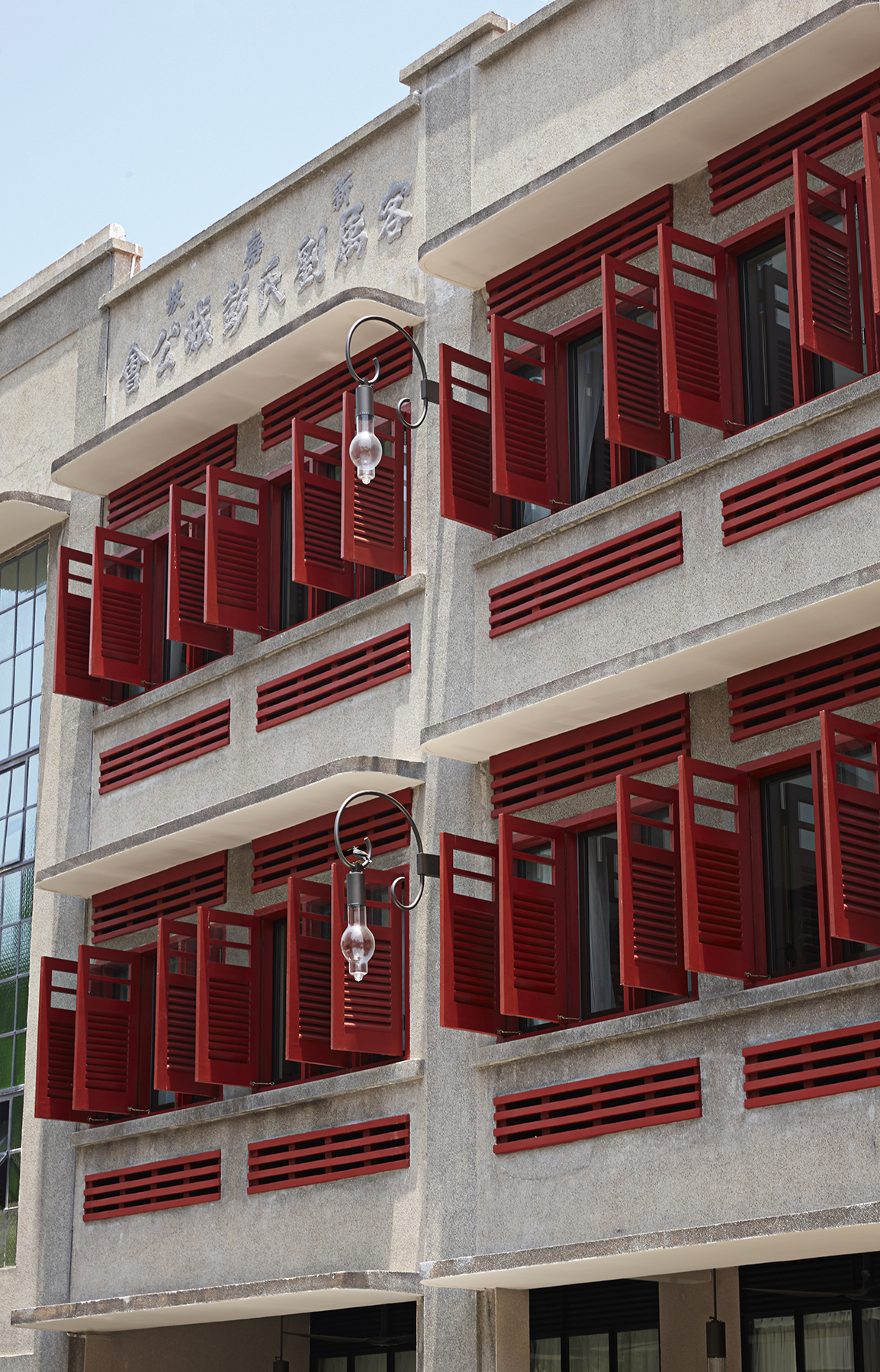
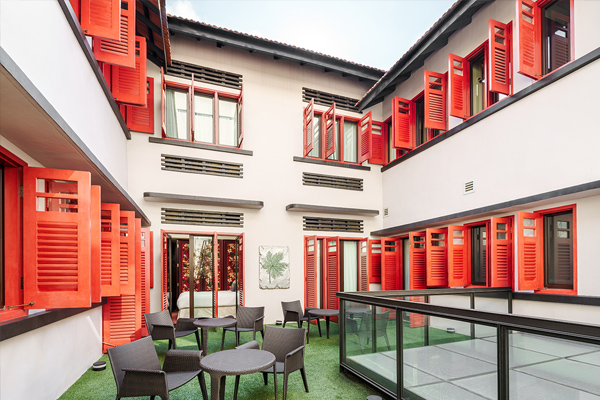
Housed in a 1950s heritage Art Deco building that once served as members' clubs for Chinese clans, and designed around the idea of an experience-driven boutique stay, the 41-room hotel occupies a distinctive position in Singapore hospitality. It is close to the Central Business District, yet sits within easy reach of the characterful streets of Kampong Glam and Little India. For travellers who regard a hotel as part of the destination rather than simply somewhere to sleep, that distinction matters.
The Vagabond Club's most defining characteristic is perhaps its sense of theatre.
The interiors were conceived by celebrated French designer Jacques Garcia, whose design language has become synonymous with richly layered luxury. The Vagabond Club marked his first hotel design in Asia, bringing his unmistakable appreciation for colour, texture, ornament and atmosphere to Singapore. Deep reds, gold accents, dark woods, velvet and evocative lighting create interiors that feel sensual rather than minimalist. Bespoke red velvet banquettes and richly textured fabrics contribute to an environment that feels closer to an intimate Parisian salon than a conventional hotel lobby.
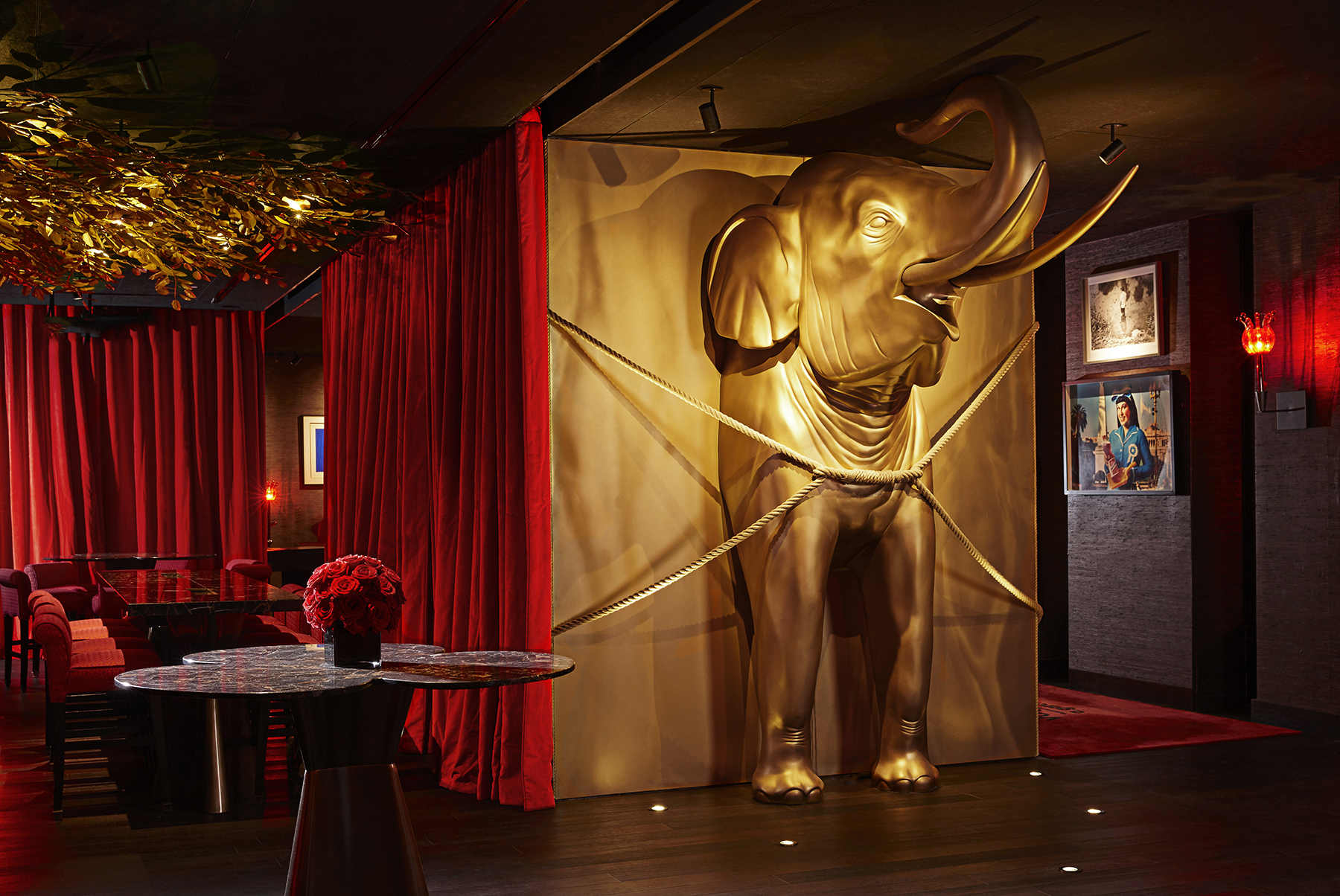
Garcia's vision extends beyond Paris. His appreciation for India can also be seen throughout the hotel, where elements of Indian artistry and craftsmanship are woven into the theatrical interiors. Elephants support the hotel's elevator, while golden banyan trees introduce another layer of Indian influence to the property.
The golden banyan trees were handcrafted under the supervision of the Allahbuksh family, whose skills have been passed down through generations and include a history of creating weapons for Rajasthan's royal families. Each leaf was individually hand-hammered, transforming the trees from decorative objects into intricate works of artistry.
The hotel's striking brass rhinoceros, which serves as the reception table, was also created by the Allahbuksh family. The sculpture is said to weigh more than an actual rhinoceros, adding another unexpected story to an interior already filled with them.
The property never feels as though it is simply imitating Paris. Instead, Garcia's opulence becomes a backdrop for a distinctly Singaporean experience—one surrounded by the history, culture and multicultural energy of the neighbourhood beyond the hotel. It is this contrast that gives the property much of its personality.
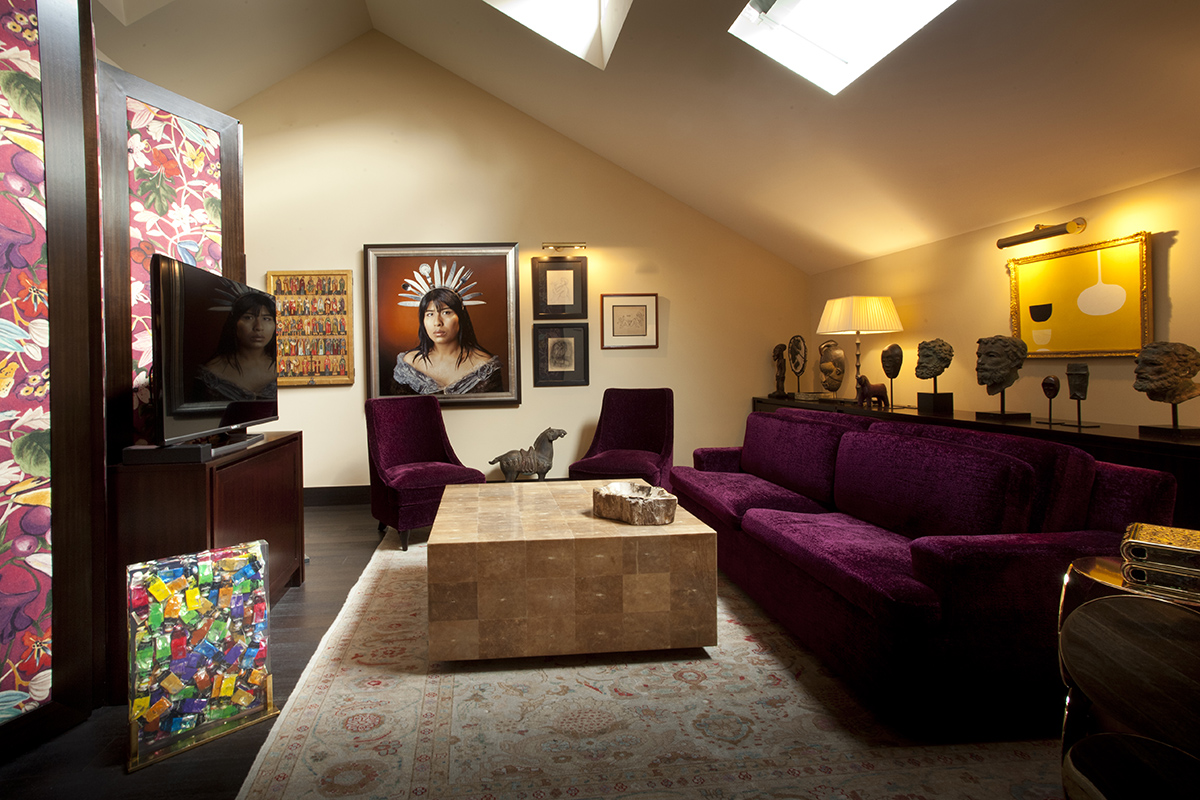
At The Vagabond Club, art is not confined to a gallery or reserved for a particular corner of the property. It is everywhere.
The hotel's eclectic collection was curated by Peter Millard of South London and brings together originals, prints and reproductions gathered from around the world. The collection is intentionally varied, creating visual encounters that encourage curiosity rather than demanding a particular interpretation.
Even the hotel's lift becomes part of the experience. Marco Brambilla's Evolution (Megaplex), a looping video installation by the Milan-born, New York-based artist, transforms an otherwise mundane journey into another moment of discovery. Running for approximately 3 minutes and 40 seconds on a continuous loop, the installation brings together around 400 film clips, including scenes from Star Wars, Ben-Hur, Interview with the Vampire and Little Shop of Horrors.
Elsewhere, another piece carries its own connection to Hollywood. The hotel is home to the original folding screen featured in the film Pretty Woman. The actual piece from the movie was later acquired at auction by the hotel's owner, Mr. Satinder Garcha, and today forms part of The Vagabond Club's collection.
That attention to unexpected details is central to the Vagabond experience. The hotel does not simply display art. It lives with it.
Garcia's influence becomes even more apparent as one moves deeper into the property. The design embraces drama rather than restraint: dark timber, jewel-like colours, tactile fabrics and atmospheric lighting combine to create a setting that changes character as the day progresses. The result is luxurious without being anonymous.
This is particularly relevant at a time when luxury hospitality is increasingly moving away from standardised notions of five-star design. Travellers are looking for hotels with personality, places that offer a sense of discovery and give them something to remember after they leave. The Vagabond Club understands that instinct. Its luxury is not about excess for its own sake. It is about creating an atmosphere.
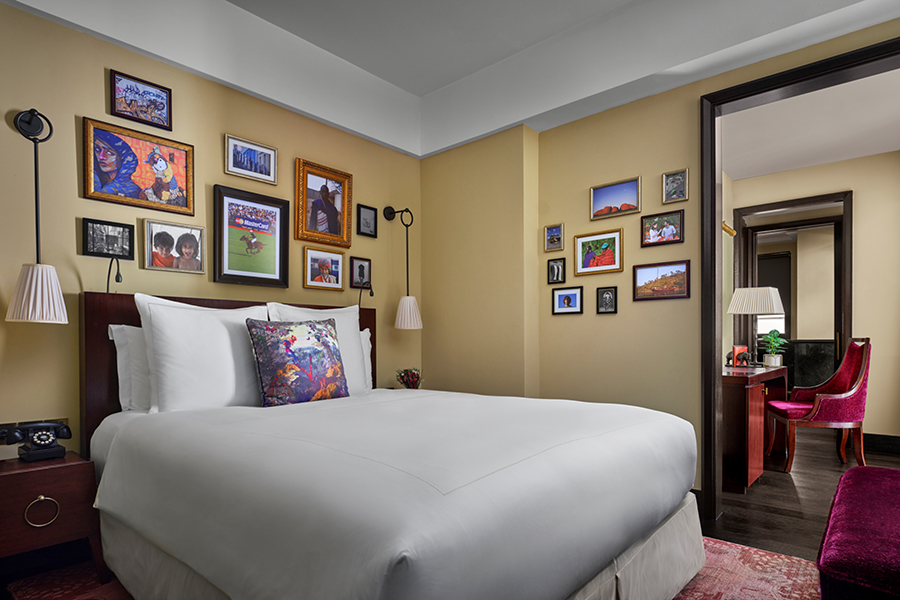
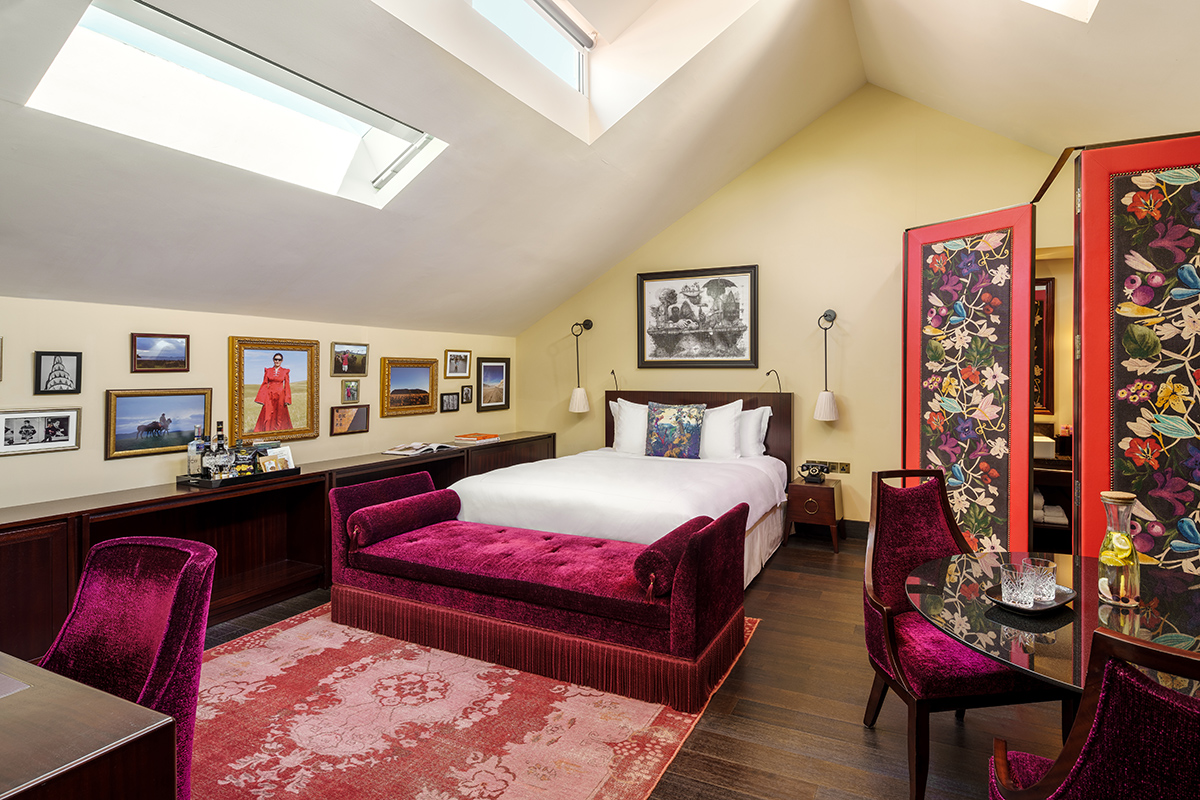
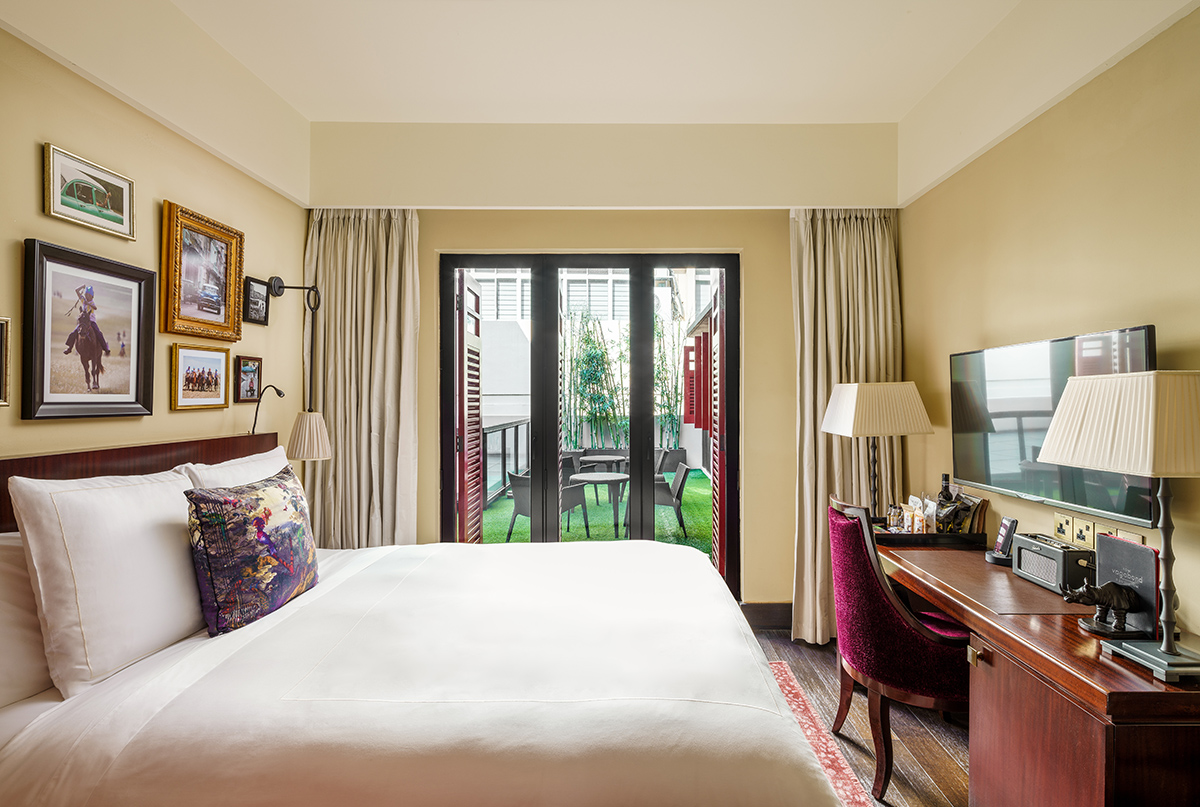
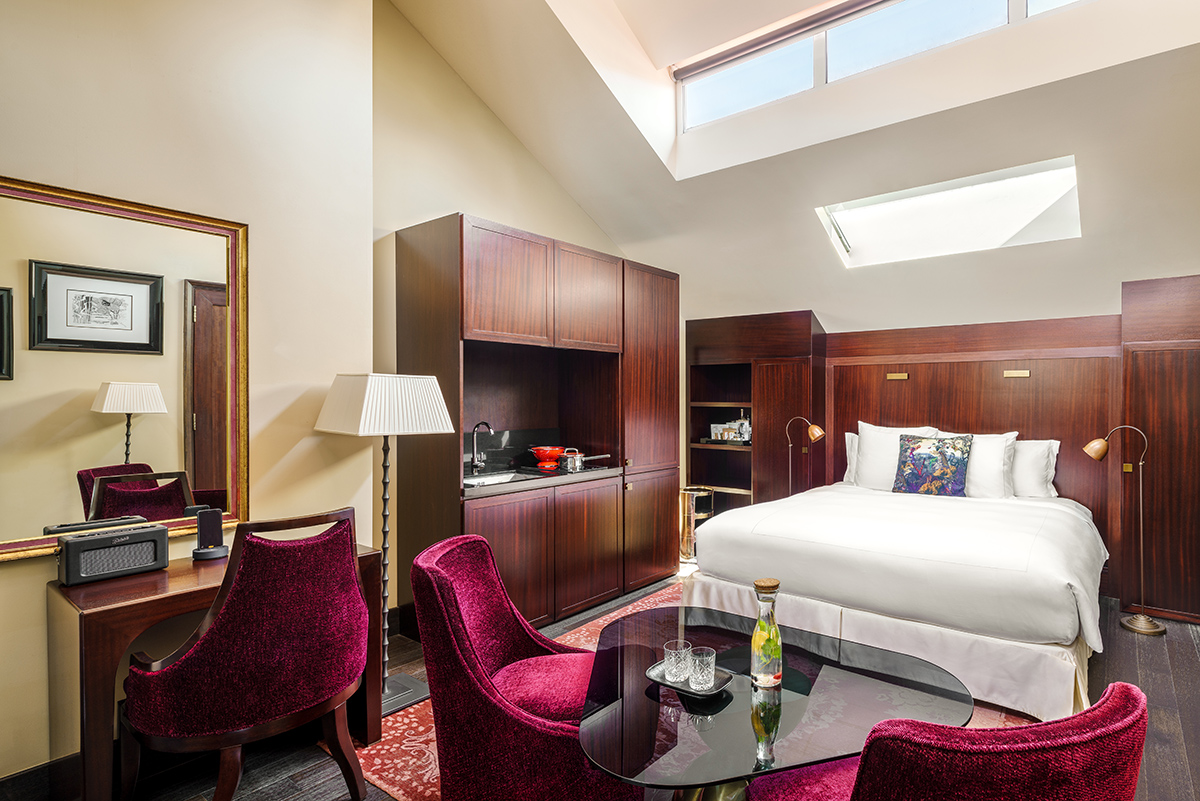
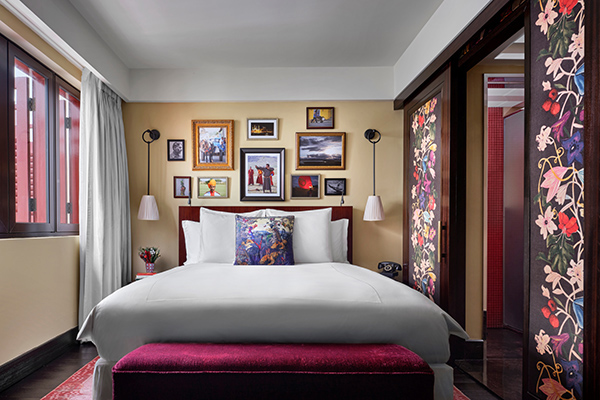
Behind the theatrical public spaces is a more intimate world. The Vagabond Club has 41 rooms and suites, each designed around Garcia's signature combination of colour, texture and Parisian glamour. Plush fabrics and dark woods create a cocoon-like environment, providing a quieter counterpoint to the hotel's more flamboyant public areas.
Accommodation ranges from the Classic Room and Deluxe Executive to Courtyard Club Rooms, Junior Club Suites, Executive Club Suites and the 68-square-metre Vagabond Club Suite. The experience continues through the details: premium bathroom amenities, Turkish bath towels and robes, 400-thread-count Egyptian cotton sheets, Nespresso coffee, TWG tea and an artisanal minibar are among the in-room comforts.
It is an important balance. The public areas may encourage guests to linger, explore and socialise, but the rooms provide somewhere to retreat afterwards.
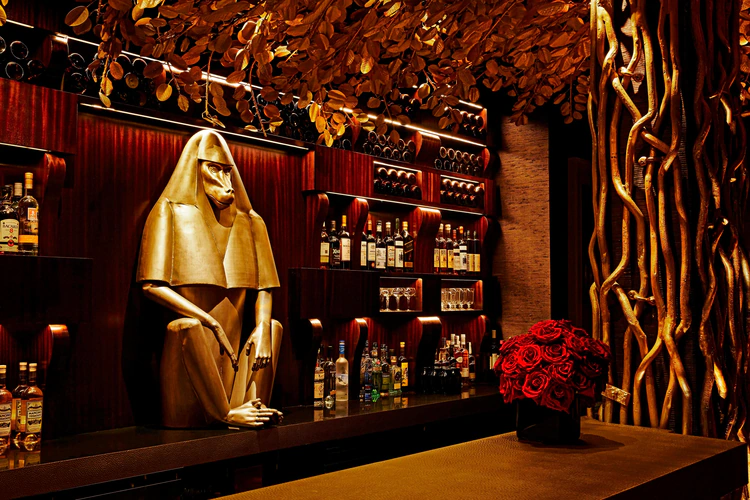
With a collection of more than 1,000 rare and award-winning whiskies from Scotland, Ireland, Japan, the United States and specialist distilleries around the world, it is a destination in its own right. The collection includes single-cask exclusives, limited editions and rare bottles. The hotel's current presentation of the venue describes it as a "liquid gallery", an apt description for a collection in which each bottle becomes part of the experience.
But the Whiskey Library is not simply about collecting bottles. It is about storytelling. Whisky is treated as an expression of craftsmanship, history and place, while the setting encourages conversation and discovery. And then the music begins.
As evening arrives, the Whiskey Library & Jazz Club changes character. Live Jazz & Whiskey Nights take place from Thursday through Saturday, beginning at 8:30pm, turning the venue into an intimate meeting place for music lovers, whisky enthusiasts and hotel guests.
The combination is remarkably cinematic: red velvet, warm lighting, carefully selected spirits and live music. It is easy to imagine spending an evening here without ever feeling the need to hurry. That is perhaps the greatest luxury of all.
The Vagabond Club's culinary experience changes character throughout the day. At lunch, guests can enjoy a three-course menu served daily from 12:00pm to 2:30pm, with a choice of starters, mains and dessert. The menu moves from Wild Mushroom Soup or Greek Salad to Penne Arrabbiata or Spaghetti Aglio e Olio with Sautéed Shrimp, followed by Dark Chocolate Cake.
As evening sets in, the Whiskey Library & Jazz Club takes on a bolder, distinctly South Asian character. Its tandoor-led menu is designed for sharing alongside the whisky programme, with dishes including Lamb Seekh Kebab, Reshmi Kebab, Lamb Chops, Tandoori Phool, Afghani Chicken Boti and Paneer Tikka, alongside freshly baked naan and lighter bites.
It creates two different reasons to experience The Vagabond Club: a relaxed three-course lunch by day, followed by whisky, tandoor cooking and, from Thursday to Saturday, live jazz after dark.
The hotel's location adds another dimension to the experience. The Vagabond Club sits close to some of Singapore's most culturally distinctive neighbourhoods. Kampong Glam and Little India are within easy reach, while the Central Business District and Marina Bay can be reached within minutes.
This makes the hotel particularly appealing to travellers who want to experience a different side of Singapore. Step outside and the city changes. The polished towers and commercial districts give way to colourful streets, heritage architecture, independent shops, restaurants and neighbourhood life. Then return to the hotel and the mood changes again. Inside, Garcia's Parisian-inspired interiors create another world.
Perhaps the most interesting thing about The Vagabond Club is that the hotel has never treated hospitality as being solely about accommodation. Its art programme extends beyond decoration. The hotel has developed an Artist-in-Residence concept through which artists from different parts of the world can stay, work and engage with guests and visitors. Art tours of the collection are also available.
The idea is simple but powerful: culture should not merely be observed. It should be experienced. That philosophy extends to the hotel's events and social spaces as well. The Salon offers more than 5,000 square feet of space for gatherings, surrounded by artwork, velvet furnishings and the atmosphere of the Whiskey Library. The hotel therefore functions simultaneously as accommodation, social club, art space, dining destination and cultural meeting point.
In an industry where many luxury hotels compete through increasingly elaborate facilities, The Vagabond Club takes a different route. It competes through personality. It does not try to be everything to everyone. Instead, it speaks directly to travellers who appreciate design, art, whisky, music, gastronomy and stories, and who perhaps enjoy their luxury with a little irreverence.
That spirit is captured perfectly in the hotel's own invitation: If you must get in trouble, do it at The Vagabond. It is more than a tagline. It is a philosophy.
Ultimately, The Vagabond Club succeeds because it understands something fundamental about memorable hospitality. People may forget the dimensions of a room. They may forget the exact amenities. But they remember how a place made them feel.
The Vagabond Club is designed around that feeling. The drama of Jacques Garcia's interiors. The unexpected encounter with an artwork. The glow of the Whiskey Library. The sound of live jazz. The discovery of a rare bottle. The aroma of food emerging from the tandoor. The energy of Singapore just outside the door. Each is an individual experience. Together, they become the story of a stay.
And perhaps that is what makes The Vagabond Club such an intriguing addition to Singapore's luxury hospitality landscape: it does not simply offer a room in the city. It offers a world to step into.

HCA is a premier business publication catering to hotels, food and travel industries worldwide. We provide extensive coverage to your products, events and services to the targeted customers.
The views expressed on this website do not necessarily reflect the views of the publisher.
Copyright © - All Rights Reserved - hotelsandculinaryasia.com